Trends reflect the world around them, and the world was weird in 2020. Even in the current climate, many are still itching to enjoy dining — and drinking out again. But what beverages do customers want in a post-pandemic world?
Consumer preferences have changed in both surprising and not-so-surprising ways. For those of us in the food and beverage industry, some of these may have been no surprise. But, like most things in the last year, many of these trends were unpredictable (and, ahem, unprecedented).
- Low-to-no alcohol preferences emerge.
Alcohol consumption majorly spiked during the pandemic, and the evidence is in our spending patterns. For example, e-commerce alcohol deliverer, Drizly, experienced 350% growth early in the pandemic.
But now the pandemic is loosening its grip on the world, and millennials, in particular, are course-correcting by limiting alcohol consumption. In the UK alone, 20% of millennials now don’t drink alcohol while 47% have cut back on consumption, according to market intelligence agency Mintel.
Yet non-drinkers won’t settle for a standard Coke while mixing and mingling. They want to enjoy a sophisticated beverage alongside their cocktail-consuming companions, as do those who aren’t giving up booze altogether but minimizing it. That means everyone, from non-drinkers to cocktail-sippers and everyone in between, want unique flavor-forward options.
- Carbonation is all the rage.
Life has felt less-than-fizzy during our extended lockdown, and bubbles of all sorts are reliable pick-me-ups. Carbonation is having a moment, both in spirited and spirit-free drinks. You can blame nitro coffees and SodaStreams, but we recommend simply embracing the trend and upping the fizz factor in your drinks.
- Premiumization prevails.
Say you’ve been stuck in your house for, oh, roughly a year. Would you crave a gin and tonic made with cheap well gin? We didn’t think so.
What you likely prefer is a beverage you can’t easily make at home. Enter premiumization and its focus on flavor and high-quality ingredients. In fact, 75% of Gen Z and Millenials prefer premium beverages. That means your bar better carry them.
- Even beverages need a purpose.
According to a study by IBM and the National Retail Federation, nearly 70% of American and Canadian consumers believe brands should be sustainable or eco-friendly. Beverage companies don’t get a bye. They too need to have a purpose beyond making money. The purpose can be sustainable practices, organic ingredients, or transparent business operations, to name a few. But the commitment needs to be real and not just lip service.
- Ready-to-drink evolves.
If you’re stuck inside during a pandemic and aren’t a natural mixologist, a pre-mixed canned drink has its appeal. You know what you’re getting and don’t have to mix it yourself. But when you’re out on the town, knowing what you’re getting may still sound good, but the same-old, same-old doesn’t. It puts canned cocktails in a tough spot.
CEO and founder of Halyard Brewing Company Kenny Richards notes the RTD market must be savvy to survive: “Canned cocktails are convenience, not innovation.” One savvy approach: Disrupt the market altogether and change the meaning of ready-to-drink, which is synonymous with pre-packaged, with easy-to-dispense options that are also customizable. Then you have a draft drink with the consistency a canned drink offers and the innovation it can’t.
5 Trends, One Solution
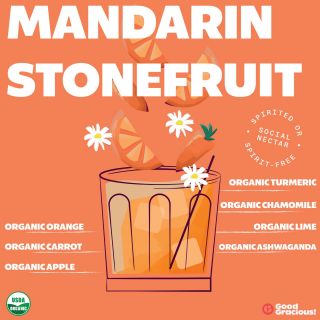
It’s rare one drink encompasses five trends, and yet Good Gracious! does just that. Its draft beverage offers consistency, premium ingredients, customizable carbonation, as well as low- and no-alcohol options. And if you want purpose, Good Gracious! can provide three. We’re committed to reducing carbon emissions, using environmentally friendly ingredients, and minimizing package waste.